Understanding Tree Pests: Prevention and Management for Healthy Trees Mar 17, 2026
Tree pests come in a variety of forms, including insects and diseases, which can cause significant damage if left unchecked. Knowing how to identify these pests early can save you time, money, and heartbreak. In this guide, we’ll discuss common tree pests, effective prevention strategies, and how to manage them for healthier trees.
One of the first steps in pest prevention is understanding which trees in your area are most susceptible to specific infestations. Different regions face different pest issues, and trees are affected differently based on their species. For instance, the Emerald Ash Borer is notorious for attacking ash trees throughout the U.S., turning vibrant green canopies gray. Other pests like aphids, caterpillars, and scales affect a variety of trees and can cause defoliation, stunted growth, or even death.
Inspection is key to early detection and involves checking leaf color, texture, and any visible signs of damage such as holes or ragged edges. Bark should also be examined for any unusual patterns or presence of insects. Homeowners should regularly conduct these inspections, especially during the growing season.
Prevention often hinges on maintaining the overall health of your trees. Proper tree care, including regular watering, mulching, and appropriate fertilization, can make trees less inviting to pests. Healthy trees have a better chance of fighting off pests on their own. Pruning is another valuable practice. By removing dead or diseased wood, you reduce the chances of pests finding a home.
Sometimes, pests can still find their way to your trees despite best efforts. That's where management strategies come into play. Biological control, which involves introducing natural predators to the environment, can effectively reduce pest populations. For instance, ladybugs feed on aphids and can significantly decrease their numbers. Sometimes, chemical treatments might be necessary, but these should be used as a last resort due to their potential environmental impact.
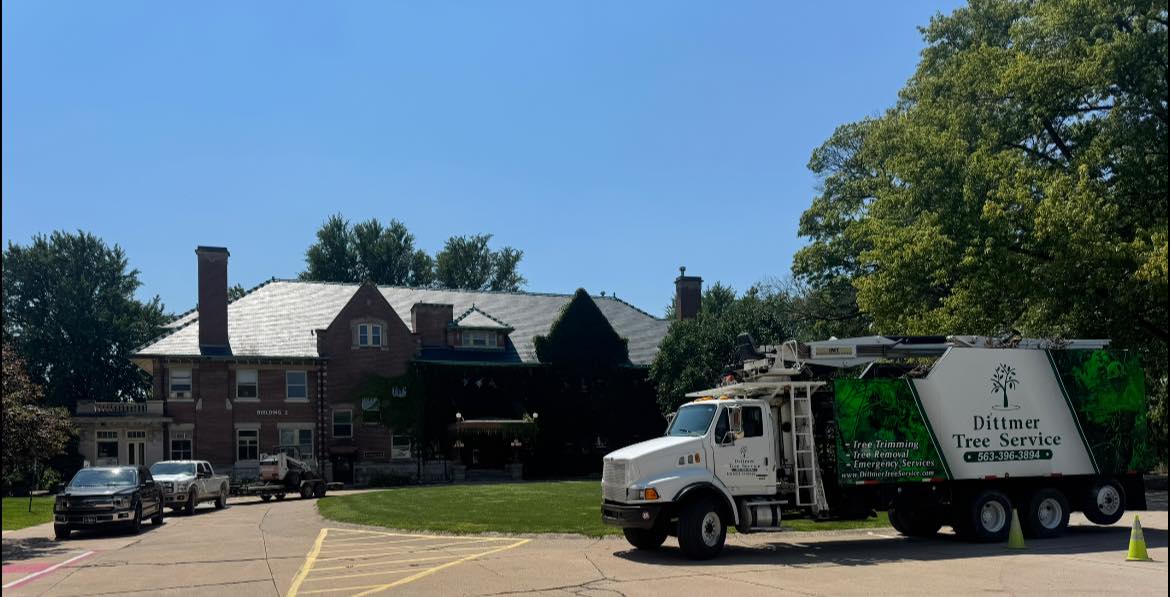
For many homeowners, consulting with a professional tree service like Dittmer Tree Service is invaluable. Professionals can provide a detailed pest assessment and recommend a tailored approach that fits your specific situation. They have the expertise to use treatments effectively and safely, ensuring minimal harm to the surrounding environment and beneficial insects.
Ultimately, managing tree pests is about balance. The goal is to maintain the health and aesthetic value of your trees without harming the environment. By being proactive and informed, homeowners can ensure their trees continue to grow strong and beautiful for generations.
In conclusion, understanding tree pests and implementing prevention and management strategies is critical for maintaining healthy trees. Regular inspections, proper tree maintenance, and the use of biological control methods are all essential components of an effective pest strategy. When in doubt, reach out to professionals like Dittmer Tree Service who can provide the guidance and expertise needed to protect your landscape's most valuable assets—your trees. Keeping these measures in mind will not only help in pest management but ensure your trees thrive, contributing to a more beautiful and sustainable environment.
/filters:no_upscale()/filters:format(webp)/media/a1f81c15-a784-48a6-9e6d-33775ded4d36.jpeg)