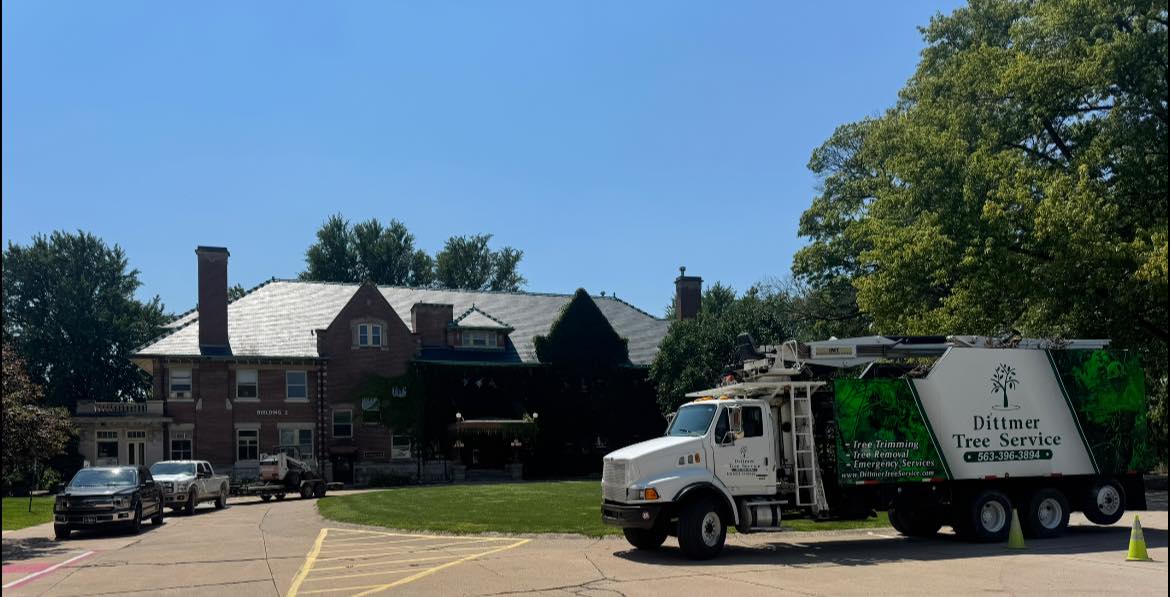
Transforming Urban Landscapes: The Role of Strategic Tree Placement May 24, 2026
Trees play a crucial role in balancing urban ecosystems by providing oxygen, improving air quality, and offering shade and cooling. However, the benefits of trees extend beyond these environmental aspects. Strategically placed trees can transform the aesthetic and functional aspects of urban areas. For instance, properly positioned trees can enhance the beauty of a cityscape, creating inviting and relaxing spaces for residents and visitors alike. Moreover, they can help define property boundaries, reduce noise pollution, and even increase property values.
When it comes to strategic tree placement, a one-size-fits-all approach doesn't work. Each urban setting requires a tailored strategy that considers the specific environmental conditions and the intended function of the space. Factors such as soil type, climate, tree species, and available space must be carefully evaluated. At Dittmer Tree Service, our experts conduct thorough assessments to identify the most suitable locations and species that will thrive in any given area. This attention to detail ensures long-term growth and sustainability, maximizing the positive impact of trees on the urban landscape.
An often overlooked aspect of strategic tree placement is its role in improving urban infrastructure. Trees can serve as natural barriers against heavy winds and flooding. Their roots help stabilize the soil, preventing erosion and contributing to the integrity of roads and buildings. In addition, trees help manage water runoff by absorbing rainwater, which alleviates the burden on urban drainage systems during heavy rainfall.
Energy conservation is another significant advantage of strategic tree placement. During the warmer months, trees provide much-needed shade, reducing the need for air conditioning and lowering energy costs. In colder climates, evergreen trees can serve as windbreaks, providing insulation for homes and buildings, thus reducing heating expenses. By optimizing energy use, strategic tree placement contributes to a city's commitment to sustainability and environmental responsibility.
The community benefits of strategic tree placement should also not be underestimated. Trees help build community spaces that encourage social interaction and promote outdoor activities. A well-placed tree can be the focal point of a park or neighborhood, providing a gathering place for events and fostering a sense of community. Moreover, studies have shown that urban trees can have positive effects on mental health, reducing stress and enhancing overall well-being.
At Dittmer Tree Service, we recognize that proper tree maintenance is just as important as placement. Regular pruning, pest management, and monitoring ensure that trees remain healthy and continue to provide benefits to urban communities for generations. Our team is committed to offering expert guidance and services that enhance and maintain the urban landscape thoughtfully and sustainably.
In conclusion, strategic tree placement is a powerful tool in urban planning. By leveraging the expertise of services like Dittmer Tree Service, cities can create spaces that improve the quality of life for their inhabitants while promoting environmental sustainability. Trees are more than just part of the landscape; they are the backbone of a healthy and vibrant urban environment. With careful planning and professional care, urban landscapes can be transformed into thriving ecosystems that benefit everyone.
/filters:no_upscale()/filters:format(webp)/media/a1f81c15-a784-48a6-9e6d-33775ded4d36.jpeg)