Beyond Basic Care: Advanced Techniques for Thriving Trees Jan 21, 2026
The foundation of robust tree care starts with comprehensive soil management. Healthy soil acts as a reservoir of nutrients and water, critical for tree growth and stability. Regular soil testing is an advanced technique that provides insight into pH levels and nutrient deficiencies. Based on test results, soil amendments, such as organic compost or specific fertilizers, can be applied to correct imbalances and promote optimal growing conditions. This custom approach tailors the care to the tree's specific needs, ensuring it receives the right nutrients in the right proportions.
Proper tree nutrition goes hand-in-hand with soil management. Fertilization is not a one-size-fits-all process, and applying the appropriate fertilizers can make a significant difference. Opt for slow-release fertilizers, which provide a steady supply of nutrients over time, encouraging steady growth. Timing is also crucial; fertilize during the tree’s active growth periods to maximize uptake. By focusing on precise and calculated nutrient delivery, trees can achieve their full potential in growth and health.
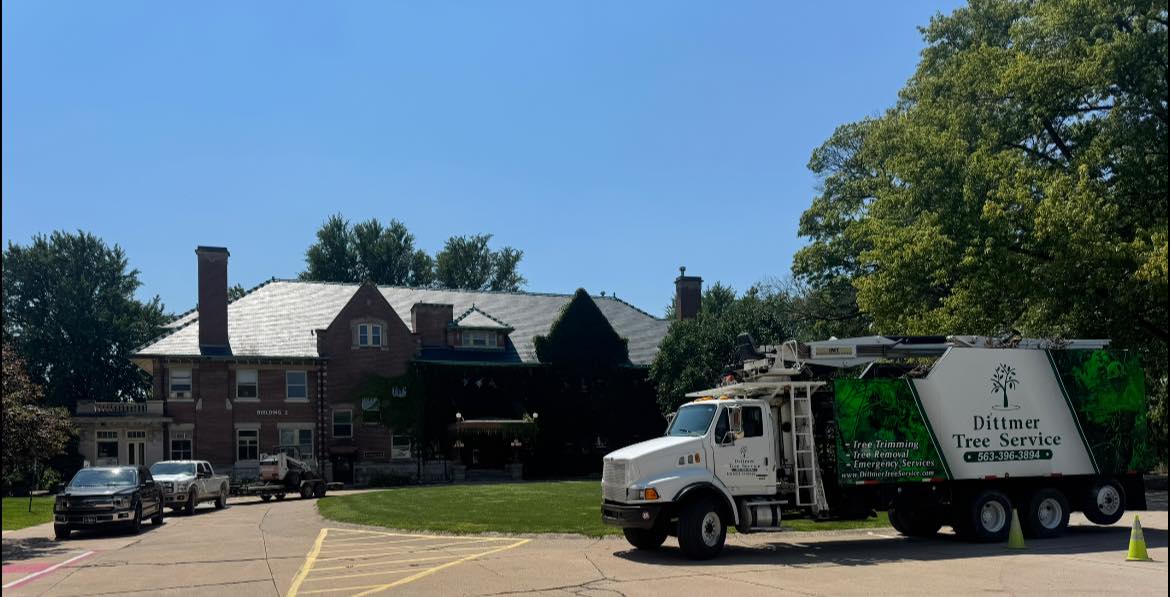
Pruning is another crucial aspect of advanced tree care. While amateur pruning can result in harm or stunted growth, professional pruning by experts like those at Dittmer Tree Service ensures health and aesthetic benefits. Advanced pruning techniques focus on removing dead or diseased branches and shaping the tree to enhance structural integrity and aesthetic appeal. Strategic pruning helps divert energy to healthier parts of the tree, promoting faster recovery and growth.
Watering, though seemingly straightforward, can be optimized through advanced techniques like deep root watering. Superficial watering may only reach the topsoil, but deep root watering targets the roots directly, encouraging them to grow deeper and more robust. This method reduces surface evaporation and ensures a more consistent water supply, which is particularly advantageous during dry spells.
Integrated Pest Management (IPM) is essential for protecting trees from harmful pests and diseases. This advanced practice involves monitoring pest populations and natural enemies, identifying the specific pest issues affecting your trees, and addressing them with targeted treatments. By using environmentally friendly and science-based solutions, IPM minimizes chemical use, preserving beneficial insects and maintaining ecological balance.
Lastly, mulching is a simple yet effective advanced technique that offers several benefits. A layer of organic mulch conserves moisture, regulates soil temperature, and suppresses weed growth. Additionally, as mulch decomposes, it enhances soil structure and nutrient levels. Ensuring the mulch is applied correctly—neither too thick nor too close to the tree trunk—is crucial to avoid issues like root rot.
In conclusion, moving beyond basic tree care to incorporate advanced techniques can profoundly influence the health and beauty of your trees. By engaging with professionals like Dittmer Tree Service, who understand these nuanced methods, tree owners can enjoy landscapes filled with vigorous, thriving trees that enhance the natural beauty of their surroundings. Investing in advanced tree care is not just about aesthetics; it is about ensuring the long-term sustainability and resilience of these vital components of our ecosystem.
/filters:no_upscale()/filters:format(webp)/media/a1f81c15-a784-48a6-9e6d-33775ded4d36.jpeg)